

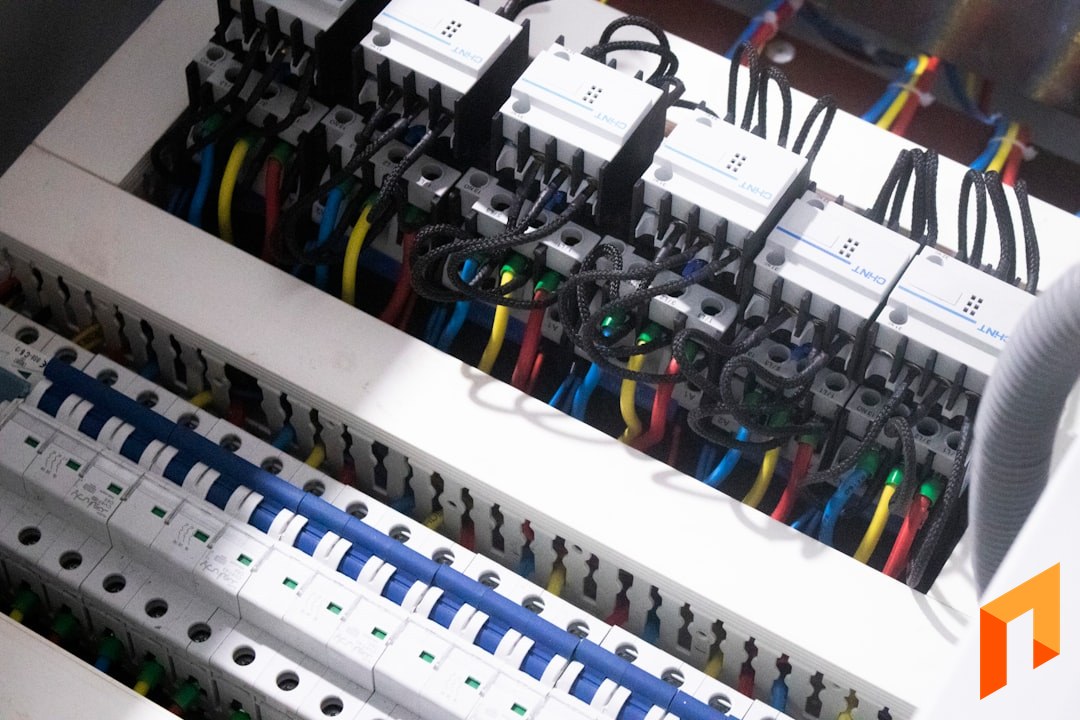
Electrical is really two businesses wearing the same license. One is high-volume service and repair: a customer calls about a dead outlet, you dispatch a tech, and the job is quoted, done, and invoiced the same day. The other is project work: new construction, commercial fit-outs, panel upgrades, and remodels where you estimate a scope, buy material, schedule crews over weeks, and bill against the work.
Those two businesses need different software. That's why "best electrical contractor software" doesn't have one clean answer. A shop running a phone that never stops ringing needs dispatch and routing. An electrical contractor bidding and running projects needs estimating, proposals, scheduling, and real job costing.
This guide is honest about that split. It walks through the tools electrical contractors actually use, what each one is genuinely good at, and where each one falls short, so you can match the software to how your company makes money instead of forcing your workflow to fit the tool.
Note
The short version: If your electrical business is mostly service and repair dispatch, a field-service platform is the right home base: ServiceTitan for larger operations, Housecall Pro or Jobber for leaner shops, and FieldPulse for a electrical-friendly middle ground. If you run new-construction, commercial, or project work and want estimating, proposals, scheduling, and QuickBooks in one flat-priced system, look at Foreman. Many contractors that do both run one of each.
What Electrical Contractors Actually Need From Software
Before the picks, here's the checklist most electrical contractors are trying to cover. Almost no single tool nails all of it, so knowing which items matter most to your mix of work is the whole game.
- Dispatch and scheduling. For service work, getting the right tech to the right address with the right parts, and routing efficiently, is the core job.
- Estimating and takeoff. For project and commercial work, accurate counts of devices, fixtures, home runs, and gear drive the bid. Speed and accuracy both matter.
- Proposals. A clean, branded proposal a customer can approve fast, ideally generated straight from the estimate instead of retyped.
- Job costing. Knowing what a project actually cost in labor and material versus what you bid is how electrical contractors protect margin on longer jobs.
- Field capture. Photos, notes, time, and material used from the field, without a second trip to the office.
- Financials. Invoicing, online payments, and a clean two-way QuickBooks sync so the books aren't a second full-time job.
Now the picks, organized by what each tool is best for.
ServiceTitan: Best for High-Volume Service Operations
ServiceTitan is the enterprise standard for field service, and electrical is one of its core trades alongside HVAC and plumbing. If your business is built on a high volume of service calls and you have the size to justify it, this is the category leader.
Strengths. Deep dispatch and routing, call booking, technician tracking, memberships and service agreements, robust reporting, and pricebook-driven quoting at the door. It's built to run a large service operation as a machine, with the analytics to match.
Trade-offs. It's a premium, enterprise-oriented platform. Pricing is quote-based and generally sits at the high end, and it's a serious implementation, not a weekend setup. For a smaller shop, or for project-based electrical work, it's more system than you need and more cost than the workflow returns.
Best for: established, high-volume electrical service companies that want an enterprise dispatch and operations platform.
Housecall Pro: Best Service Software for Lean Shops
Housecall Pro is field-service software aimed at smaller service businesses, and it's a common landing spot for electricians who want dispatch, scheduling, and invoicing without enterprise weight.
Strengths. Fast scheduling and dispatch, a clean mobile app, easy online booking, invoicing, and payments. It gets a small service shop off paper and onto a phone quickly, with a shorter learning curve than the enterprise tools.
Trade-offs. It's built for service dispatch, not project management. Estimating is intentionally light, and there's no real job costing for multi-week construction work. An electrical contractor running new-construction or commercial projects will feel the ceiling fast.
Best for: small and mid-size electrical service shops that want simple dispatch, scheduling, and payments.
Jobber: Best for Straightforward Service Scheduling
Jobber is service-business software: quoting, scheduling, dispatching, and invoicing for trades that run fast, short-cycle work. For an electrical company whose day is repairs, troubleshooting, and quick installs, it's clean and well-built.
Strengths. Quick quote-to-invoice cycle, solid scheduling and dispatch, a strong mobile app, and easy online payments. It keeps a busy service calendar moving.
Trade-offs. It's optimized for service dispatch, not project-based electrical work. No real takeoff, and estimating stays lightweight, so a contractor doing panel-heavy remodels or commercial fit-outs with material orders and multi-day crews will outgrow it. See our Jobber alternatives guide for a deeper look.
Best for: service-focused electrical shops that want simple, reliable scheduling and invoicing.
FieldPulse: Best Electrical-Friendly Field Service
FieldPulse is a field-service management platform that has leaned into the electrical and trades market, sitting between the lean tools and the enterprise ones. It's a reasonable middle option for a growing service shop.
Strengths. Scheduling and dispatch, estimating and invoicing, customer management, and field features like time tracking and job notes, packaged for trades teams. It aims to give a growing electrical service business more depth than the entry-level tools without the enterprise price and complexity.
Trade-offs. Its center of gravity is still service dispatch. Like the others in this section, it isn't built around construction-style estimating, section budgets, and job costing on multi-week projects. It's a strong service platform, not a project platform.
Best for: growing electrical service businesses that want more capability than entry-level tools but not enterprise scale.
A Note on Electrical Estimating Point Tools
Separate from the field-service platforms, there's a category of dedicated electrical estimating and takeoff software built for bidding. These tools shine at counting devices, fixtures, and home runs off plans, applying assemblies and labor units, and producing a competitive bid number fast.
They're genuinely good at estimating. What they're not is a full platform. A point estimating tool typically won't schedule your crews, manage the project once you win it, handle proposals and e-signatures, track actual job cost against the bid, or sync your financials. Contractors that use one usually pair it with another system for everything after the bid.
If bidding accuracy is your single biggest pain and you already have the rest of your operation handled, a dedicated estimating tool can be worth it. If you want estimating and the project management and financials that follow, keep reading.
Foreman: Best for Project-Based Electrical Contractors
If your electrical business runs on projects, new construction, commercial fit-outs, panel upgrades, and remodels where you estimate a scope, order material, schedule crews, and bill against the work, Foreman is built to run the whole thing in one place at a predictable price.
Foreman's honest lane is project and new-construction electrical, not high-volume service dispatch. If your day is 80% same-day service calls, a field-service tool from earlier in this list will route and dispatch better. But if you're managing electrical projects end to end and you're tired of stitching a takeoff tool, a spreadsheet, a proposal app, and QuickBooks together, this is where an all-in-one earns its keep.
AI Plan Takeoffs
Upload an electrical plan and Foreman's AI reads it, identifying dimensions and measurable areas to help populate your estimate with real quantities instead of guesses. For a contractor doing project takeoffs, it cuts the slowest part of bidding down to minutes.
Estimating and Budgets
Foreman's estimating is section-based, so you scope an electrical project the way you actually think about it: rough-in, devices and plates, fixtures, panels and gear, low-voltage, trim and finals. Each section carries its own line items, quantities, unit costs, and markup, and it doubles as your project budget so you can track estimated versus actual as the job runs. That's how you protect margin on a long project. See the budget feature for how it works.
Proposals with E-Signatures
Build the estimate, then generate a clean, branded proposal from it with one click, no re-keying. The customer gets a professional proposal they can approve and sign online, and when they do, the numbers are already in your system.
Scheduling and Crews
Foreman includes scheduling so you can see which crew is on which project and what's booked next, the everyday coordination problem for an electrical contractor running several projects at once.
Financials and Two-Way QuickBooks
Invoice against the project, collect payments online, and sync it all to QuickBooks with a genuine two-way connection so your books aren't a second job. This is exactly the piece the estimating-only and dispatch-only tools leave you to solve yourself.
Flat, Predictable Pricing
Here's where Foreman is deliberately different from most of this list: pricing is flat and clients and subs are free. $199.99 per month billed annually, plus $20 per seat, with estimating, proposals, scheduling, job costing, and QuickBooks sync all in the base price. Clients and subcontractors never cost a seat, and your price never scales with your revenue. AI plan takeoffs are on Enterprise.
Best for: electrical contractors doing new-construction, commercial, and project work that want full estimating, project management, and financials in one flat-priced tool.
Run your electrical projects — estimate to invoice — in one place.
Book a demoHow to Choose the Right Electrical Software
There's no universal best. There's the best fit for how your electrical business actually makes money. Use this as a quick decision guide:
- High volume of same-day service calls, large operation? Prioritize dispatch and routing: ServiceTitan.
- Lean service shop that wants simple dispatch and payments? Housecall Pro or Jobber.
- Growing service business wanting more depth without enterprise scale? FieldPulse.
- Bidding is your single biggest pain and the rest is handled? A dedicated electrical estimating tool.
- Running new-construction, commercial, or project work and want estimating, scheduling, job costing, and QuickBooks in one flat-priced system? Foreman.
The most common mistake is buying the tool with the best demo instead of the one that matches your workflow. A project-heavy contractor who buys pure dispatch software will fight it on every bid, and a service shop paying for a full construction PM platform is buying features it will never open. Be honest about your mix, pick for the 80% you do most, and if you genuinely run both service and projects, it's completely reasonable to run one tool for each.
If you're just getting your electrical business off the ground, our guide on how to start an electrical business covers the setup that pairs with whichever software you choose. And if you're weighing a broader construction platform, our JobTread comparison is a useful next read.
Frequently Asked Questions
What is the best software for an electrical contractor?
It depends on your work. For high-volume service and repair dispatch, field-service platforms like ServiceTitan, Housecall Pro, Jobber, or FieldPulse lead the category. For new-construction, commercial, and project-based electrical work, a construction platform like Foreman fits better because it covers estimating, proposals, scheduling, and job costing in one place. Many electrical contractors that do both run a service tool and a project tool side by side.
Do electricians need field-service software or construction software?
Both exist for a reason. Field-service software is built around dispatch: getting a tech to an address, quoting at the door, and invoicing same-day. Construction software is built around projects: estimating a scope, ordering material, scheduling crews over weeks, and tracking cost against the bid. Pick based on whether your revenue comes mostly from service calls or from projects. If it's genuinely split, using one of each is a normal setup.
Is there electrical estimating software separate from project management?
Yes. Dedicated electrical estimating and takeoff tools focus on counting devices, fixtures, and home runs off plans and producing a fast, competitive bid. They're excellent at bidding but usually don't handle scheduling, project management, proposals with e-signatures, job costing, or financials. Contractors who use one typically pair it with another system for everything after the bid, or choose an all-in-one that includes estimating.
How much does electrical contractor software cost?
It varies widely by category. Enterprise field-service platforms are typically quote-based and sit at the higher end, and many tools charge per user, so cost grows with your team. Foreman is deliberately flat: $199.99 per month billed annually plus $20 per seat, with estimating, proposals, scheduling, job costing, and QuickBooks sync all included in the base price. AI plan takeoffs are on Enterprise, for teams with dedicated estimators.
Can electrical software sync with QuickBooks?
Many can, but the depth varies. Some tools push invoices one direction only, which still leaves reconciliation work. Foreman offers a genuine two-way QuickBooks connection so invoices, payments, and records stay in sync in both directions, which keeps your books from becoming a second job. If clean accounting matters to you, ask any vendor specifically whether the sync is one-way or two-way before you commit.
Whatever you choose, the goal is the same: fewer tools, less re-keying, and clean numbers on every project. For project-based electrical contractors, that's exactly the problem Foreman was built to solve, — book a demo to see it on your projects.


