

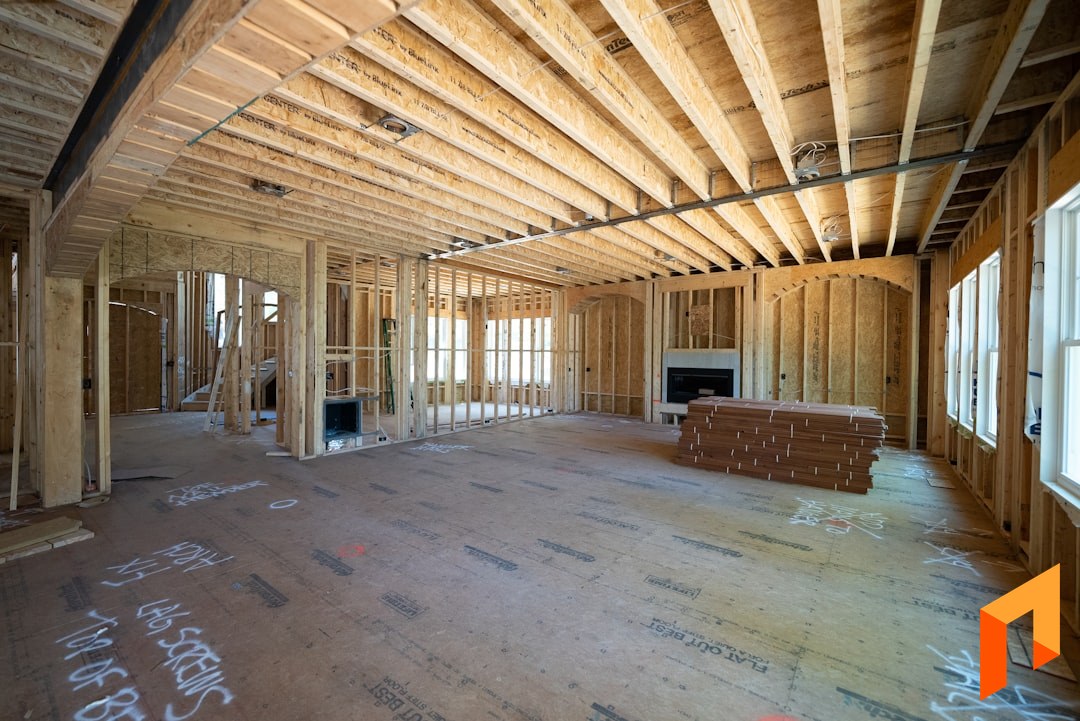
You finish framing, the lumber bill is due, payroll hits Friday, and the client says, "We'll settle up at the end." That gap between what you've spent and what you've been paid is where builders lose sleep and sometimes their shirt. A construction draw schedule closes that gap by tying each payment to a completed phase, so money comes in as the work goes up.
Note
TL;DR: A construction draw schedule is a payment plan that releases money in stages tied to project milestones (deposit, foundation, framing, dry-in, finishes, completion) instead of one lump sum. It protects the builder from carrying costs, protects the client from paying for work not yet done, and gives the lender defined checkpoints to inspect and release funds. Tie it to your budget and bill each stage with a progress invoice.
What Is a Construction Draw Schedule?
A construction draw schedule is a written plan that breaks the total contract price into a series of payments, called draws, each released when a defined phase of the project is complete. Instead of paying everything up front or everything at the end, the client (or their lender) pays in installments that track real progress on site.
Each draw has three parts: a milestone that triggers it, a dollar amount or percentage of the contract, and proof the work is done. On a bank-financed build, the lender adds a fourth part: an inspection before the money is released.
The draw schedule is usually attached to the contract as an exhibit, so both sides agree on the payment map before the first shovel hits dirt.
Why a Draw Schedule Protects Everyone
A draw schedule protects the builder, the client, and the lender at the same time by keeping payments and completed work in sync. Nobody gets too far ahead of the other, which is exactly what prevents disputes and abandoned projects.
Here is what each party gets out of it:
- The builder avoids financing the project out of pocket. You get paid as you build, so you can cover materials, subs, and payroll without floating tens of thousands of dollars for months.
- The client never pays for work that has not happened. Each draw is earned, so their money maps to visible progress on their own home.
- The lender releases funds against verified milestones, not promises. That is why construction loans use draws instead of handing over the full loan amount on day one.
The draw schedule turns "trust me" into a shared, written agreement. When everyone signed off on the map before work started, a payment request in month four is a formality, not a fight.
How to Structure Draws by Milestone or Phase
Structure draws around milestones that are easy to verify from a site walk: foundation poured, framing complete, roof dried in. The rule of thumb is that a draw should never front-run the work. The percentage collected should always be a little behind the percentage of the project actually built, so the builder stays motivated to finish and the client is never overexposed.
Two common approaches:
- Milestone-based draws release a set dollar amount when a specific phase finishes. Cleanest for custom homes and additions where phases are well defined.
- Percentage-of-completion draws release a share of the contract as each cost category is completed, often used on larger or lender-financed builds and progress-billed monthly.
Most residential builders use milestone draws because they are simple to explain and simple to inspect. Whichever you pick, spell out what "complete" means for each milestone so there is no argument about whether framing is really done.
A Common Construction Draw Schedule (Example)
A typical residential new-build or major remodel uses five to seven draws. The exact splits vary by project and by what your lender requires, but this milestone structure is a solid starting point you can adapt.
| Draw | Milestone | Typical % of Contract |
|---|---|---|
| 1 | Deposit / contract signing & permits | 10% |
| 2 | Foundation & site work complete | 15% |
| 3 | Framing complete | 20% |
| 4 | Dry-in (roof, windows, exterior sheathing, rough MEP) | 20% |
| 5 | Interior finishes started (drywall, cabinets, flooring) | 20% |
| 6 | Substantial completion & final inspection | 10% |
| 7 | Final walkthrough / punch list & retainage release | 5% |
A few notes on the structure:
- Keep the deposit modest. A 10 to 15% deposit covers mobilization and early material orders. Asking for 40% up front reads as a red flag to clients and many lenders will not allow it.
- Hold something back for the end. That final 5 to 10% (often called retainage) is the client's incentive that the punch list actually gets finished, and yours to make sure it does.
- Match draws to real cash outlays. Framing and dry-in are material- and labor-heavy, so those draws are larger. Do not starve the phases where your costs spike.
For remodels, you might collapse this to five draws (deposit, demo/rough-in, dry-in, finishes, completion). For a small bathroom project, three draws may be plenty. Scale the number of stages to the size and length of the project.
Build your draw schedule in Foreman — tie it to the budget and send progress invoices that sync to QuickBooks.
Book a demoHow Draws Connect to Your Payment Schedule and Progress Invoices
A draw schedule is the plan; a progress invoice is how you actually collect each draw. When a milestone is done, you send a progress invoice for that draw amount, the client (or lender) pays, and the balance on the contract updates. The draw schedule and the payment schedule are two views of the same money: one is the map, the other is the bill.
This is where the draw schedule earns its keep against your budget:
- Each draw should trace back to the project budget. If framing is 20% of the contract, that number should reflect the actual framing cost plus your share of overhead and profit, not a round guess. If you are unsure how to load overhead and profit into those numbers, our construction markup and pricing guide walks through the math.
- Progress invoices bill against the plan, not from scratch. With progress invoicing, you invoice the draw amount tied to the project, the client sees exactly which milestone they are paying for, and the paid amount rolls up so you always know the outstanding balance.
- Retainage is baked into the schedule, not tacked on later. Holding back that last draw is part of the plan every party agreed to, so it is never a surprise at closeout.
In Foreman, the draw schedule lives on the project alongside the budget, and each progress invoice is a Record tied to that project. Send the invoice, the client pays, and the amount paid recalculates against the contract automatically, so the "how much is left" question answers itself.
What Happens During a Lender or Bank Draw Inspection
On a bank-financed construction loan, the lender will not release a draw until an inspector confirms the milestone is actually built. This is called a draw inspection, and it is a normal, expected step on any financed build.
The typical flow:
- You request the draw once a milestone is complete, usually with a draw request form and backup like paid receipts, lien waivers from subs, and photos.
- The lender orders an inspection. An inspector (sometimes an appraiser) visits the site to verify the work matches the draw stage.
- Funds release if the work checks out, often into an escrow or disbursement account, then to you (or directly to subs and suppliers on some loans).
To keep draws moving without delays:
- Keep clean backup for every draw. Receipts, signed lien waivers, and dated progress photos speed up approvals and protect you if a payment is ever questioned.
- Do not get ahead of the inspection. Starting the next phase is fine; spending money you have not drawn on the assumption it will clear is how builders get squeezed.
- Communicate the schedule to the lender early. When your draw schedule matches the lender's draw structure from the start, inspections become routine sign-offs instead of renegotiations.
Exact lender rules vary by bank and loan product, so confirm the draw structure and inspection process with the specific lender before you sign the contract. Aligning your schedule to theirs up front prevents the most common cause of delayed payments: a mismatch between how you billed and how they release.
Frequently Asked Questions
How many draws should a construction project have?
Most residential new builds and major remodels use five to seven draws tied to milestones like deposit, foundation, framing, dry-in, finishes, and completion. Smaller projects need fewer: a bathroom remodel might use three (deposit, rough-in, completion). The right number is enough that no single draw forces you to carry large costs for long, but few enough that each milestone is easy to verify. Scale the count to the size and length of the project.
What is a good deposit amount on a construction project?
A modest deposit of 10 to 15% of the contract is standard and covers mobilization, permits, and early material orders. Larger deposits make clients nervous and many lenders will not allow them on financed builds. The bigger draws should land on material- and labor-heavy phases like framing and dry-in, not the deposit. Always leave a final draw (retainage) of 5 to 10% for punch list completion so both sides stay motivated to finish clean.
What is the difference between a draw schedule and a payment schedule?
They describe the same money from two angles. A draw schedule is the plan: it maps each payment to a project milestone and a percentage of the contract. A payment schedule is how those draws get collected over time, usually through a progress invoice when each milestone is complete. On a financed build, the draws also line up with the lender's disbursement schedule. In practice you build one draw schedule and it doubles as your payment and invoicing plan.
What is retainage in a draw schedule?
Retainage is a portion of each draw or the final draw (commonly 5 to 10%) held back until the project is fully complete and the punch list is signed off. It protects the client by giving the builder a financial reason to finish every last item, and it protects the builder when it is agreed to up front as part of the schedule. On residential work, retainage is often just structured as a smaller final draw released at the final walkthrough rather than withheld from every payment.
Do I need a draw schedule if the client is paying cash, not financing?
Yes. A draw schedule protects you even without a lender in the picture. Paying in milestone-based stages means you are never financing a cash client's project out of your own pocket, and the client never pays for work that has not happened. The only difference is there is no third-party inspection, so you and the client verify each milestone yourselves. Attach the schedule to the contract so both sides agree on the payment map before work begins.
Note
A draw schedule is the cheapest insurance a builder has against carrying a project on their own credit. Tie each draw to a real budget number, bill it with a progress invoice when the milestone is done, and keep clean backup for every request. Do that and payments track the work instead of trailing it, on every project you run. Grab the free template above and map your next build in an afternoon, then let Foreman handle the budget, invoicing, and QuickBooks sync as the draws come in.


