

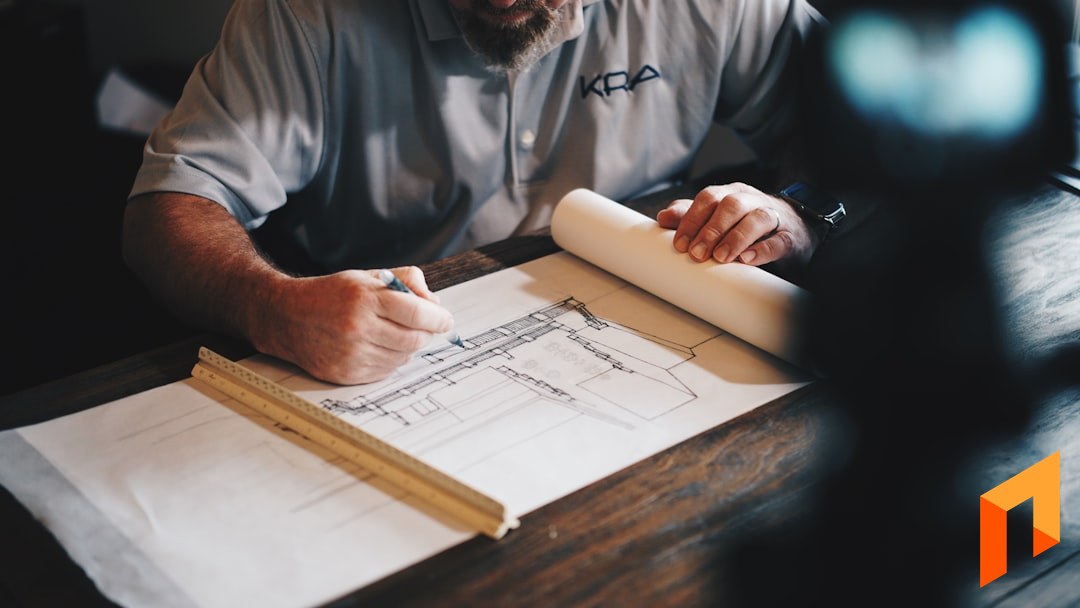
A general contractor in Phoenix put out a request for bids on a $180,000 commercial tenant build-out. You got the invitation Tuesday morning. By Wednesday at noon, two competing proposals were already in his inbox. You sent yours Thursday.
He went with one of the other two.
The price difference was small. The scope was virtually identical. But the contractors who responded first looked like they had their act together. In a market where a GC is choosing between three capable crews, speed is a signal. And right now, the crews getting fast are the ones using AI.
Note
TL;DR: AI adoption among contractors more than doubled in one year, from 17% to 38% seeing measurable results. Contractors using AI estimating and takeoff tools are cutting bid preparation time by 40 to 60 percent. Buildertrend and Procore are already shipping AI features. The gap between contractors who adopt now and those who wait is widening, not narrowing.
Ask it anything. Foreman's AI handles the admin so you can focus on the work.
Book a demoor book a demo first →The Numbers: AI Adoption in Construction More Than Doubled in One Year
This is not hype. According to a 2026 ServiceTitan industry report surveying more than 1,000 commercial specialty contractors (HVAC, plumbing, electrical, and mechanical trades), the share seeing measurable results from AI jumped from 17% in 2025 to 38% in 2026. That is more than double in twelve months.
The top use cases are not futuristic. They are estimating and bid management. Twenty-four percent of respondents are now using AI for cost estimation and 22% for bid management. These are the two tasks that directly determine how fast you can respond to an opportunity and how accurately you can price it.
What does that speed advantage actually look like? Contractors using AI-powered takeoff and estimating tools are cutting bid preparation time by 40 to 60 percent compared to manual methods. If it used to take you three hours to build an estimate from a plan set, competitors who have adopted these tools are doing it in 90 minutes or less. Among early AI adopters in the construction sector, 68% reported saving at least $50,000 in a single year, and 46% reclaimed between 500 and 1,000 hours of work.
That is not a marginal advantage. That is a structural one.
What the Tools Your Competitors Use Are Already Doing
The platforms that residential builders and remodelers run on are not waiting to see how AI plays out. They are shipping it now.
Buildertrend launched AI-powered Client Updates, an automated system that generates professional project summaries from the data builders already enter into the platform. Users reported a 97% reduction in time spent on client updates, dropping from 30 to 60 minutes per update to about 6.5 minutes. Buildertrend is also applying AI to lead management, proposal generation, and sales pipeline automation.
These are not experimental features. They are live, being used by contractors in your market, and creating a measurable gap in responsiveness and professional presentation between the crews who have them and the ones who don't.
The question for a small contractor is not whether to use AI. It is whether the tool you choose was actually built for a crew your size, or whether you are paying for a platform designed for someone managing five times your volume.
The Bid Speed Gap Is Real, and It Is Getting Worse
The average commercial contractor wins about 25% of the bids they submit. To hit 40% or above, which is the threshold where contractors are considered top performers, you need two things: competitive pricing and faster response.
Speed matters because clients read into it. When two contractors are equally qualified and equally priced, the one who sent a professional proposal 24 hours earlier looks more organized, more capable, and more worth hiring. The other one looks like they are stretched thin.
AI-assisted estimating does not just save time. It changes your ability to respond same-day to new opportunities. When a new request comes in, a contractor using AI takeoff tools can pull a material count from the plan set in minutes. That means sending a preliminary estimate before a competitor has even opened the PDF.
If you want to understand what goes into a proposal that actually wins, the guide to writing a construction proposal is worth reading alongside this, because speed only helps if what you are sending is solid.
Where Small Contractors Are Still Missing the Window
Here is what the adoption numbers actually tell you: most small residential and specialty trade contractors are not using AI yet for estimating or job management. The 38% seeing measurable results skews toward larger commercial firms and companies with dedicated operations staff.
Among crews of 1 to 10 people running residential remodel or light commercial work, meaningful AI adoption is still thin. Only 27% of AEC professionals currently use AI in their operations at all, and that number includes architects, engineers, and project managers at large firms. For small contractors specifically, the window to be an early mover is still open.
That means two things. First, if you adopt now, you are ahead of most of your actual direct competitors. Second, the window is not going to stay open. The contractors who get comfortable with AI-assisted takeoffs and estimating in the next 12 months will have locked in a speed and margin advantage before the rest of the market catches up.
The question is not whether AI will matter for small contractors. It already does. The question is whether you are going to be in the group that figured it out early, or the group that spent a year watching others pull ahead.
What AI-Assisted Estimating Actually Looks Like on the Ground
The contractors winning with AI are not running some elaborate setup. They are doing two things: uploading a plan set and describing the job.
With AI takeoffs, you upload a PDF of the floor plan, tell the tool what to measure, and it returns a material count. For a residential remodel, that might be square footage of flooring, linear feet of cabinetry, or window openings. What used to require an hour of manual measurement and careful math takes a few minutes.
The AI assistant handles the rest of job management: building an estimate from a project description, pulling up a file, finding out which jobs are still in the proposal stage, adding a contact, writing a change order summary. You describe what you need in plain language and it handles it. If you want to understand how to structure your estimates before you start automating them, the free construction estimate template guide is a good starting point.
For a contractor who used to spend evenings doing paperwork, this is time that comes back. Not because the work disappears, but because it gets done faster. And pricing your jobs correctly once you have faster estimates is a different discipline, one covered in the construction markup and pricing guide.
If you are evaluating what tools are actually worth it for a small crew, the best construction management software for small contractors breaks down the options by crew size and use case. And if Buildertrend has been on your list, Buildertrend alternatives for small contractors walks through exactly how Foreman compares.
Frequently Asked Questions
How much faster can AI really make my estimating?
Industry data shows contractors using AI-powered takeoff and estimating tools are cutting bid preparation time by 40 to 60 percent compared to manual methods. If you currently spend three hours building an estimate from a plan set, that becomes 90 minutes to two hours. On a week where you are responding to four or five bids, that is half a day back in your schedule.
Don't I need a big company to afford this kind of software?
No. Most AI-powered construction platforms are designed for firms managing large volume, and the price reflects that. Foreman and its AI assistant are built for residential and light-commercial contractors of any size — from solo operators to 100-person companies. The AI features are built in, not sold as add-ons.
What if I'm not technical? Will I actually be able to use AI tools?
Foreman's AI works like a text message. You describe what you need in plain language, and it handles the task. For takeoffs, you upload a PDF and the system does the measurement. There is no setup, no prompt engineering, and no technical knowledge required. If you can send a text, you can use it. Most contractors are running on their own within the first session.
My direct competitors aren't using AI yet. Why should I worry now?
Because the window where you can be an early mover is the valuable one. Contractors who adopt AI-assisted estimating now will have 12 to 24 months to build habits, refine their process, and develop a speed advantage before the rest of their market catches up. By the time it feels like "everyone's using it," the advantage belongs to whoever figured it out first. The ServiceTitan data showing adoption doubled in a single year tells you how fast that window moves.
Is AI going to replace my judgment on bids?
No. AI handles the measurement and the structure. Your experience determines the markup, the contingency, and whether a client's scope description is going to creep. The AI gets you to a starting point faster. You close the gap with your expertise. Nothing goes to a client without your review.
The contractors turning bids around fastest are already pulling ahead. Not because they are smarter or more experienced, but because they stopped doing manually what a tool can do in minutes.
That advantage is still available to you. Want to see exactly what the AI takeoff and assistant features look like for a crew your size? Book a 30-minute demo.


